Pure Minerals, innovative solutions

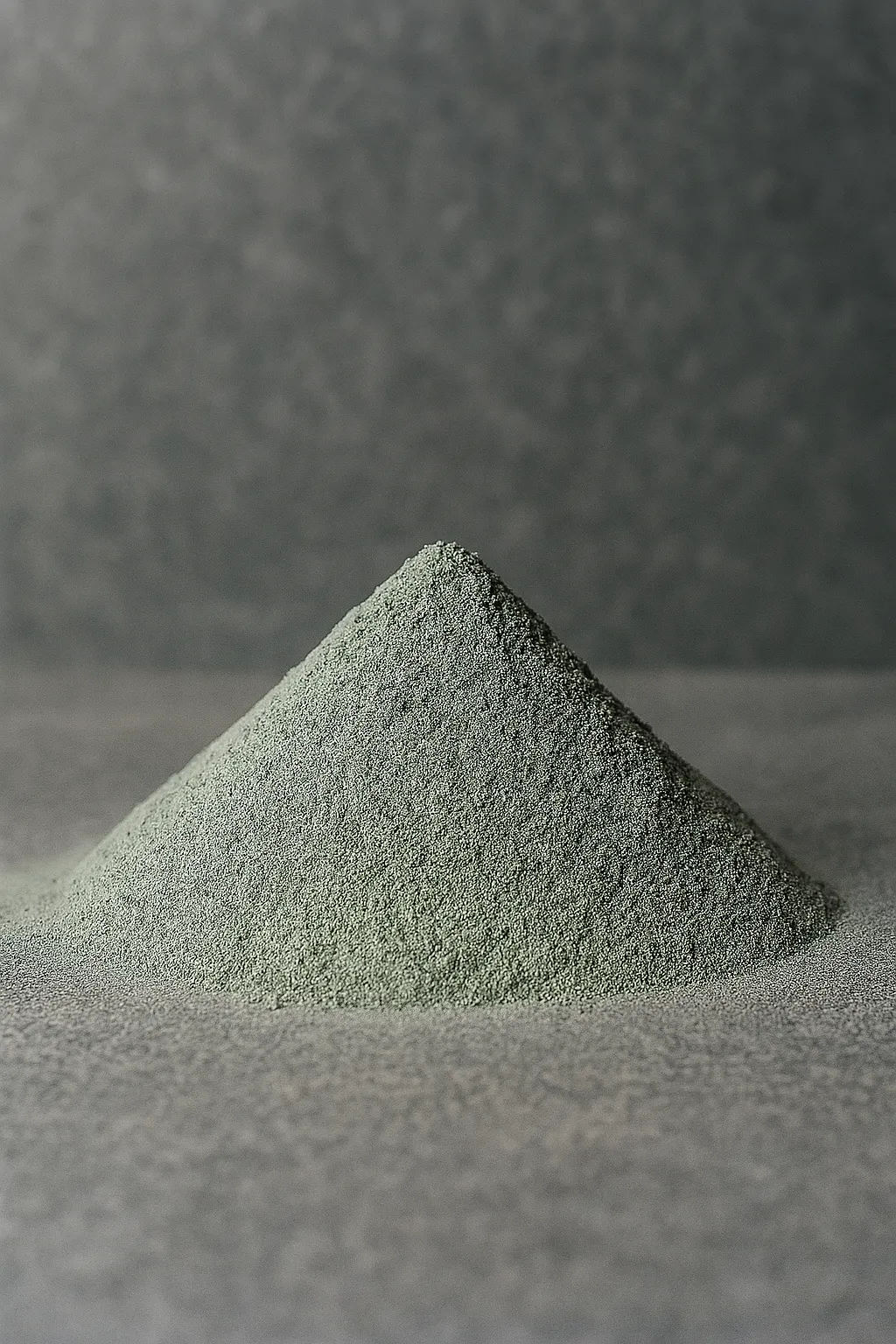
micronized schist

Rich in phyllosilicates and trace elements. Optimizes soils, enhances industrial mixtures, and adds value to sustainable agriculture.
1. Mineral fertilization and soil remineralization

  • Micaceous micronized schist has been studied as a natural fertilizer due to its content of silicon, potassium, and trace elements.
  • A study by the National Agrarian University of the Selva evaluated its application in maize (Zea mays) crops, showing improvements in soil structure and plant yield depending on particle size and dosage applied.

2. Water regulation and climate change adaptation

  • In Galician vineyards, schist has been used as a mineral cover to mitigate water stress. This resulted in increased production and thermal resistance in the Mencía grape variety.

3. Soil microbiological improvement

  • Due to its laminar structure and mineral content, shale enhances aeration and microbial activity, although further specific microbiological studies are needed.

1. Ceramics and refractory materials

  • Fired schist, obtained through the dry distillation of oil shales, has been used as a component in bricks and construction materials due to its thermal resistance and porous structure.

2. Pigments and mineral fillers

  • Its controlled particle size and composition rich in phyllosilicates make it suitable as a mineral filler in paints, polymers, and resins, though specific characterization is required for each shale type.

Geological Origin: Metamorphic rock rich in phyllosilicates.

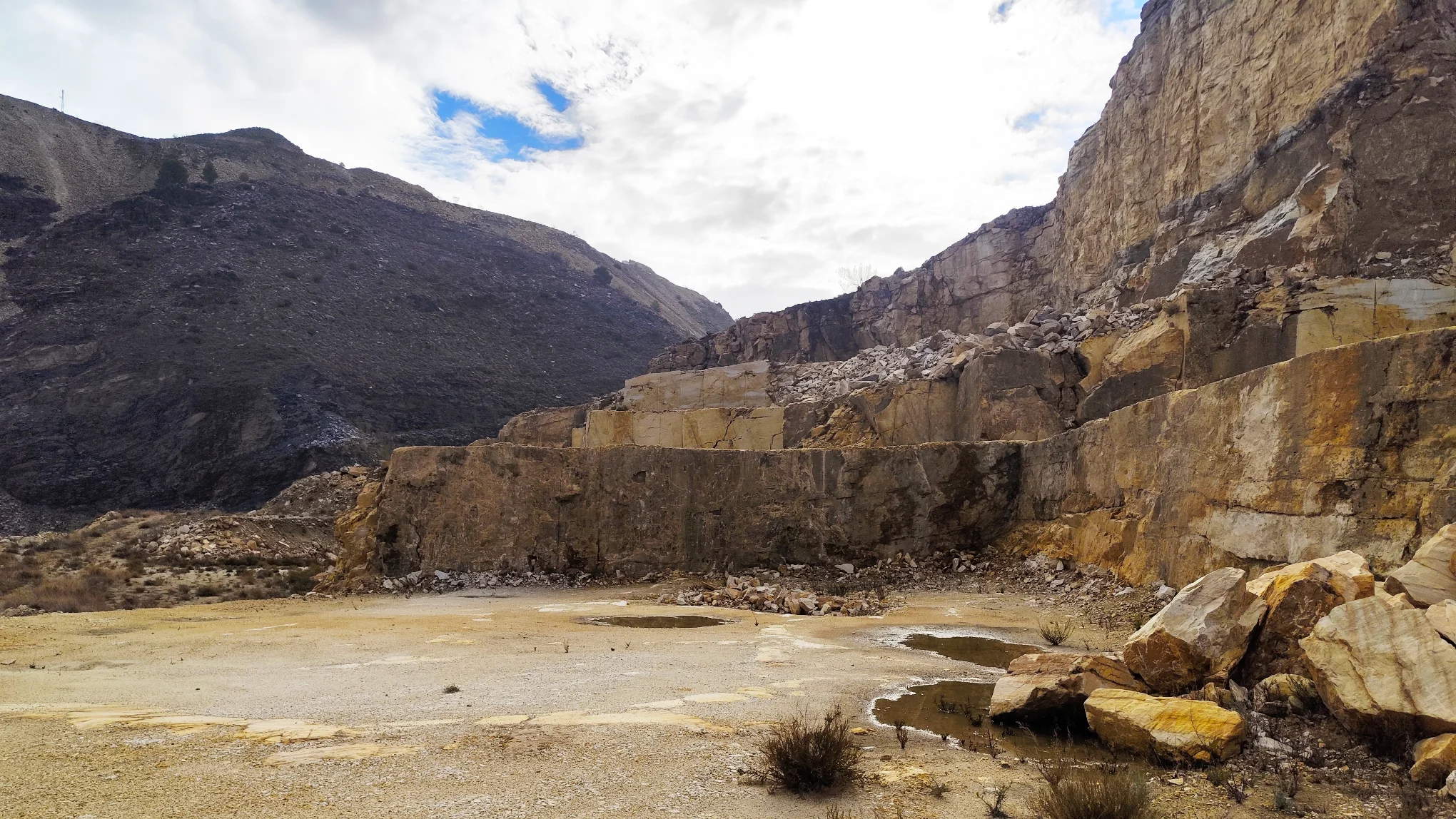
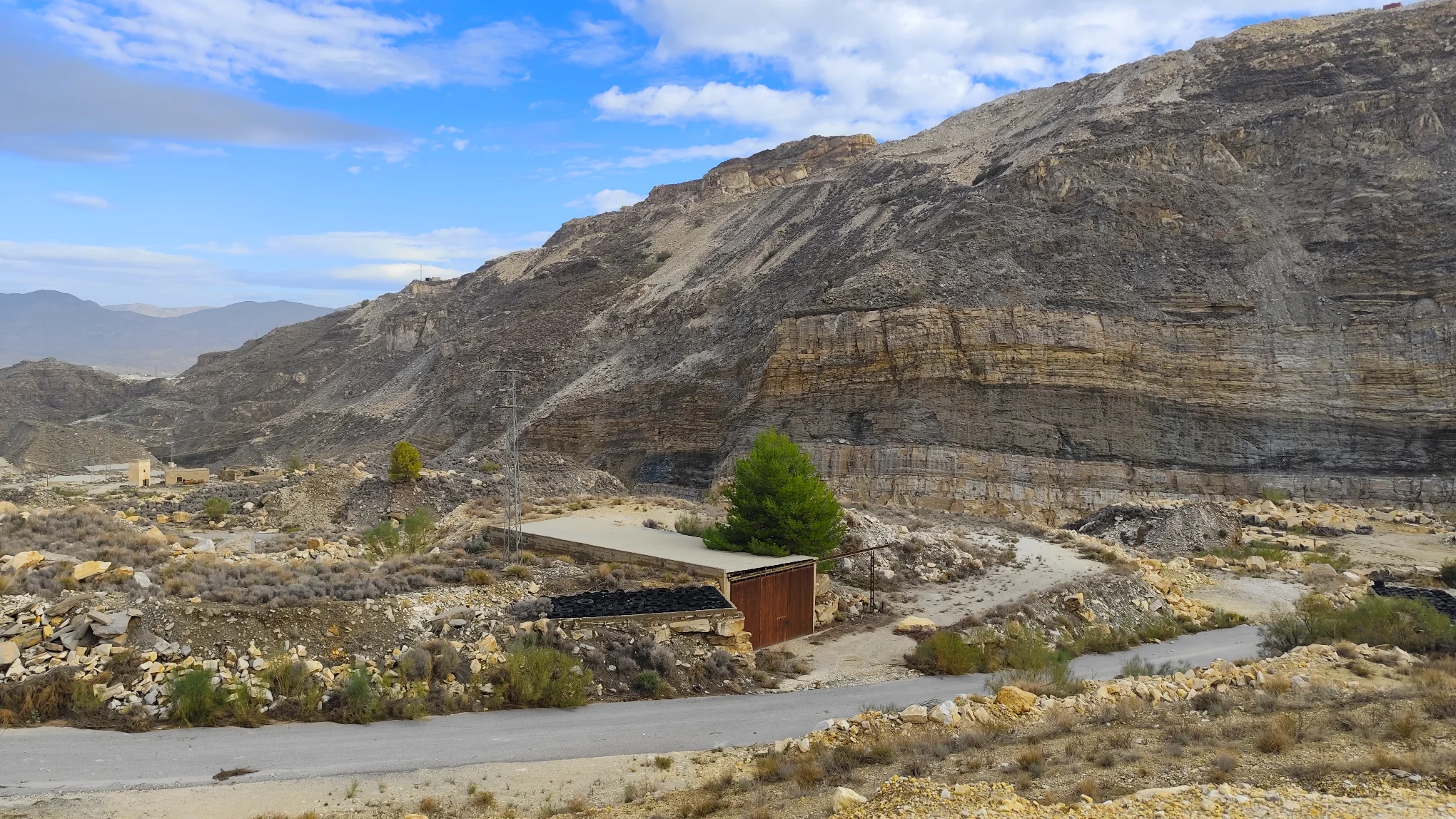
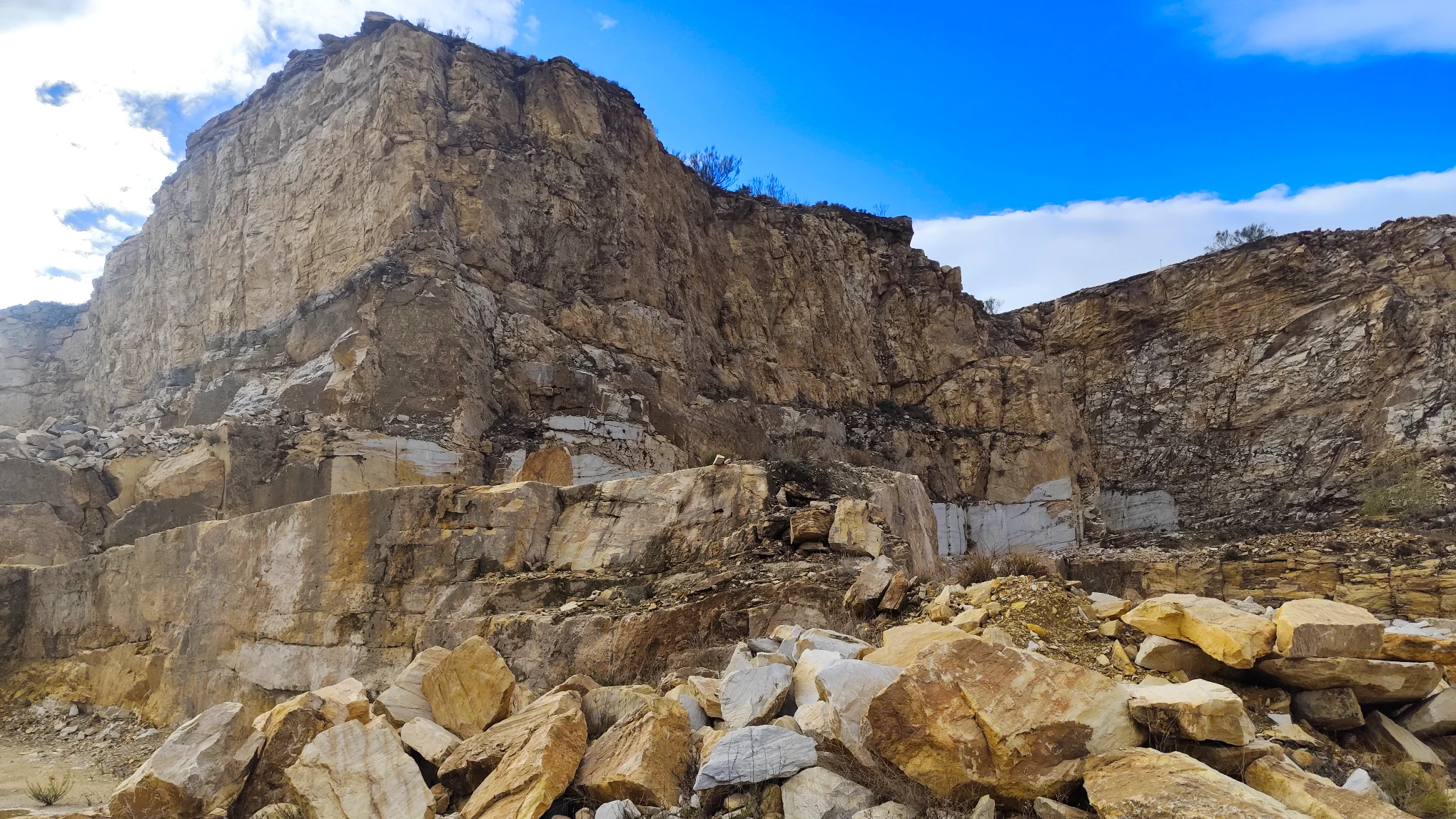
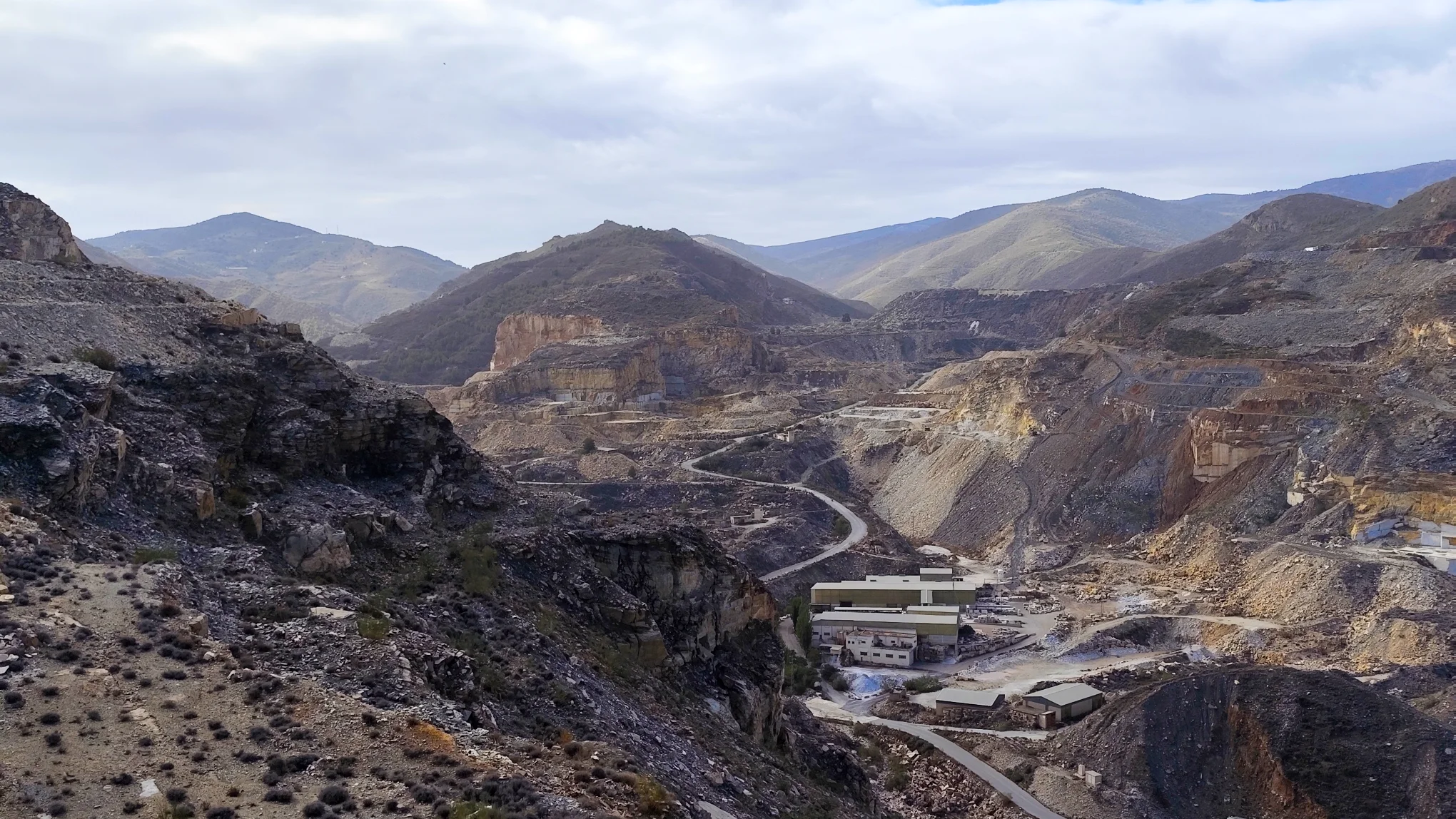
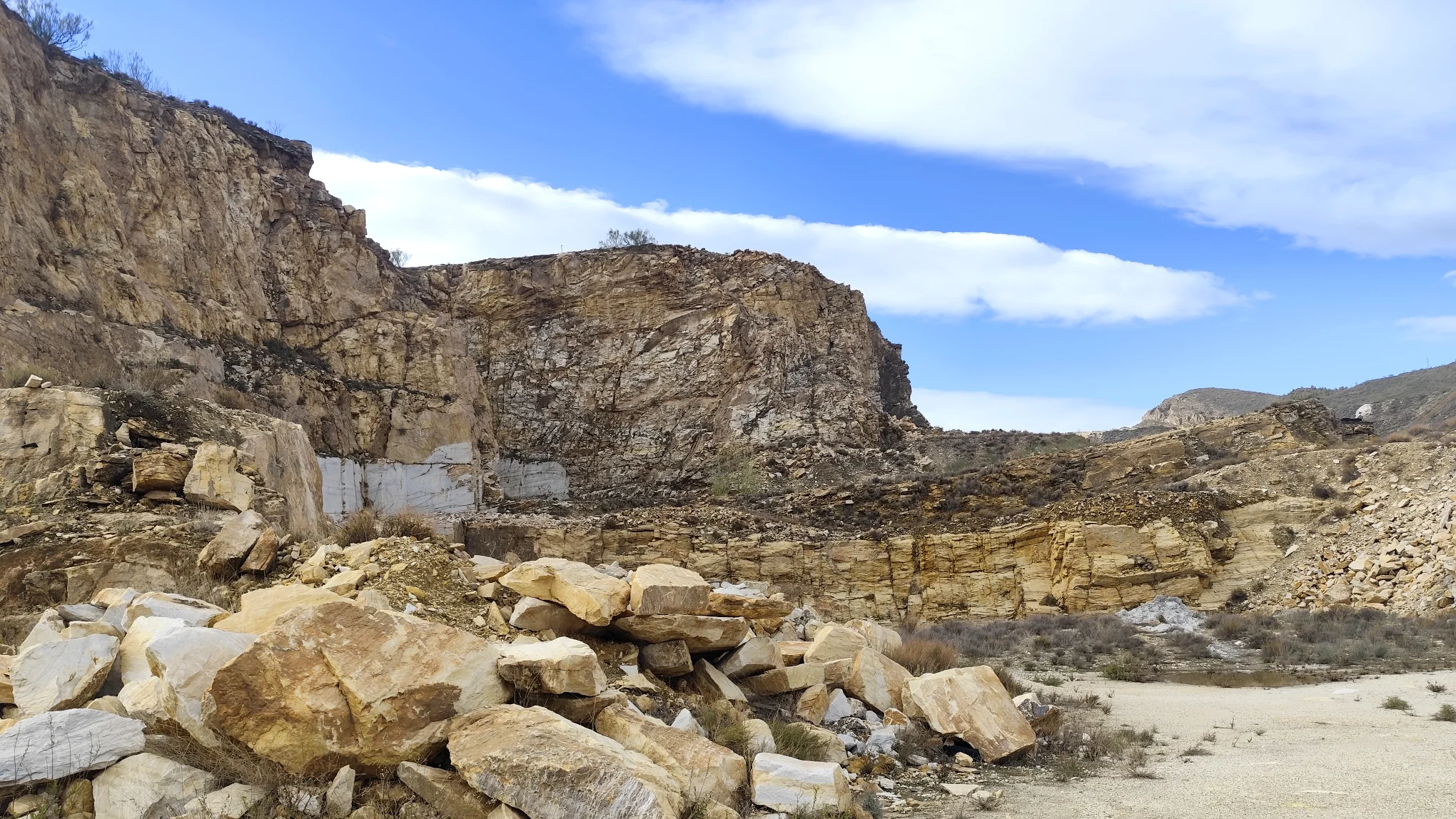
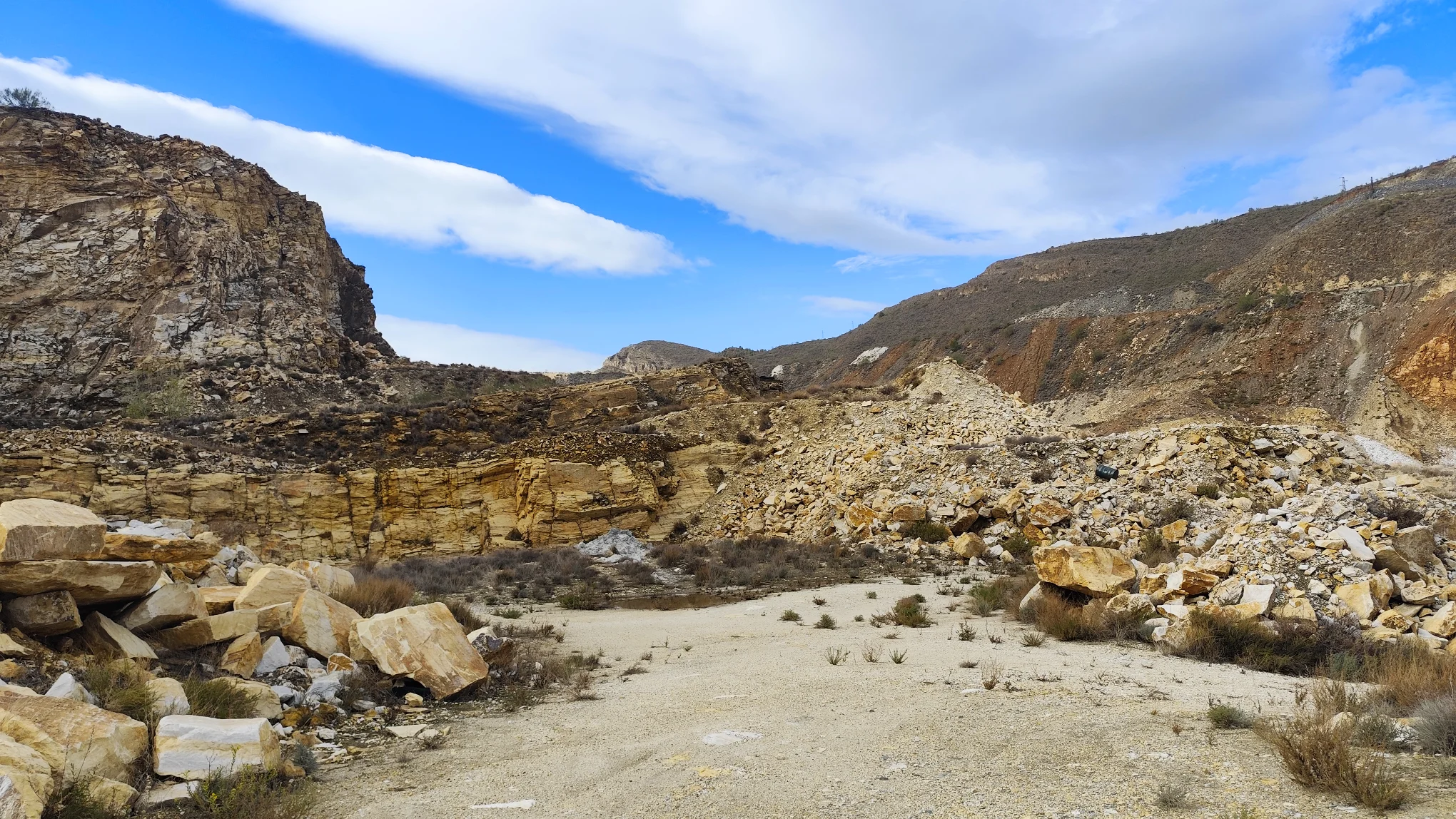
Source: Own quarry in Macael (Almería).

Available Formats

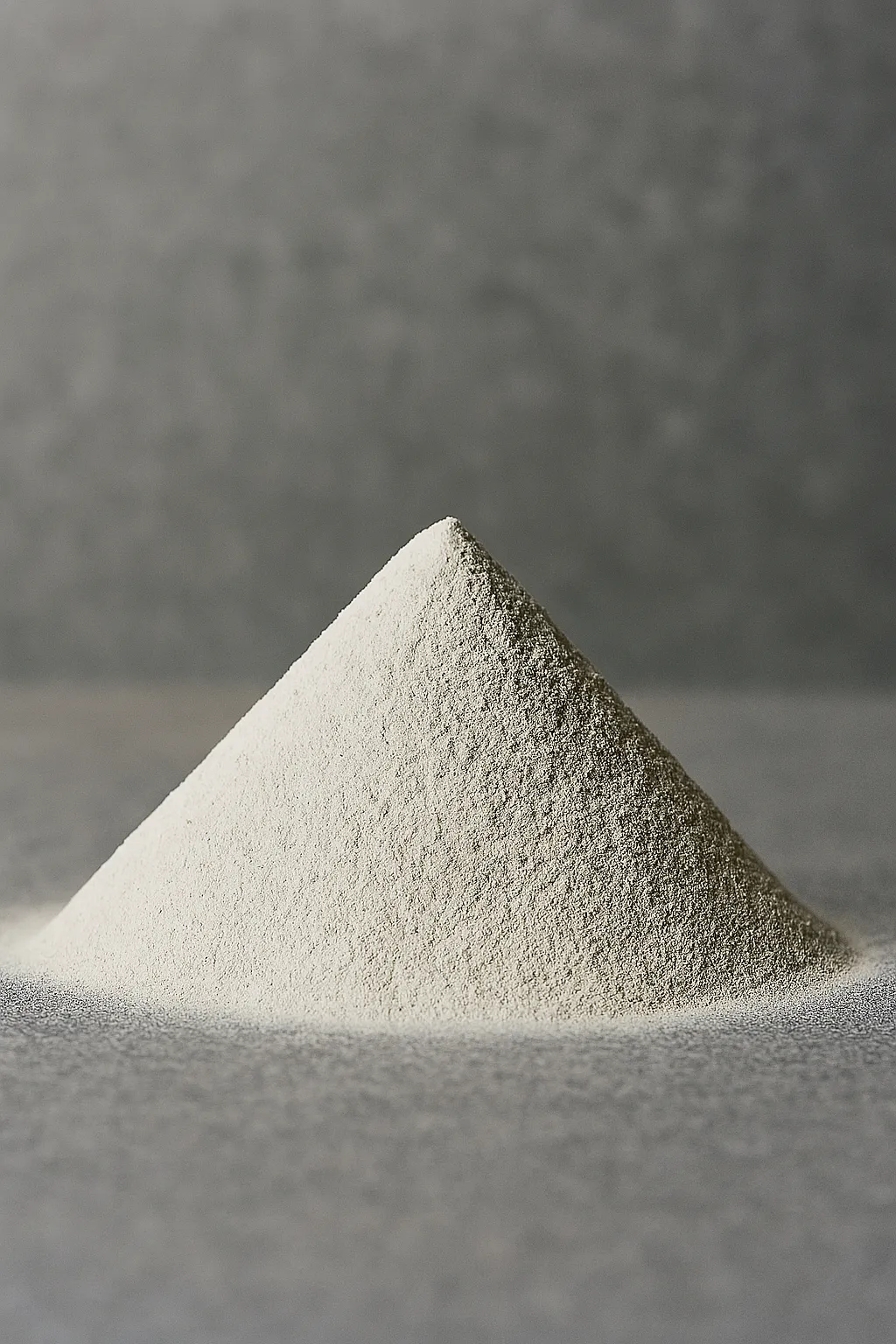
  • Micronized powder (0–200 μm)
  • Fine particle size (0–3 mm)

Average Chemical Composition (% w/w ±)

ComponentFormula%
SilicaSiO₂57.30
AluminaAl₂O₃18.43
Iron oxideFe₂O₃7.35
Magnesium oxideMgO4.33
Calcium oxideCaO1.74
Potassium oxideK₂O4.01
Sodium oxideNa₂O1.55
Titanium oxideTiO₂0.86
Loss on ignition (LOI)4.07

Main Minerals (XRD)

Quartz 23.5%, Illite, Vermiculite, ClinochloreAmphiboles (Actinolite), Anorthite, Meurigite and Nontronite.

Agronomic Benefits

  • Remineralizes degraded and compacted soils.
  • Provides silicon, potassium, magnesium, and trace elements.
  • Improves cation exchange capacity (CEC).
  • Stimulates soil microbiology.
  • Enhances structure, aeration, and moisture retention.
  • Compatible with organic and ecological farming systems.

Technical Properties

  • High thermal resistance (melting point >1220 °C).
  • Smooth laminar texture, ideal for blends and decorative applications.
  • Chemical stability against resins, solvents, and organic compounds.
  • Compatible with cement-free formulations.
  • Low bulk density and excellent dispersion.

Applications by sector

SectorSpecific Use
Ceramics and tilesImproves plasticity, reduces defects, adds alumina and silica.
Paints and resinsProvides opacity, smooth texture, and chemical resistance.
Polymers / rubberOffers thermal and mechanical reinforcement; fire-retardant properties.
Mortars / insulationLightweight technical filler for thermal mixtures.
CoatingsMineral base for cement-free systems.
Technical paper / sealantsLaminar mineral filler with stability and smooth texture.


micronized Dolomite

Acidity corrector and source of calcium and magnesium. Improves soils and is ideal for technical and ecological applications.
1. Acidity corrector and nutrient source

  • Micronized dolomite provides calcium and magnesium, essential for plant growth. It regulates soil pH and improves its physical structure.
  • In organic farming, it is used as a natural soil amendment for acidic soils, benefiting crops such as tomatoes, vines, and cereals.

2. Foliar application

  • Ultra-micronized dolomite can be applied foliarly, allowing nutrients to penetrate through the stomata and directly enhance plant nutrition.

3. Improved fertility and sustainability

  • It plays an important role in improving soil fertility and is compatible with sustainable agricultural practices.

1. Ceramics, glass, and refractories

  • Dolomite is used as a flux and stabilizer in the production of ceramics, glass, and refractory materials. Its CaMg(CO₃)₂ composition provides valuable thermal properties.

2. Chemical and environmental industries

  • Employed in acid neutralization processes, water treatment, and as an absorbent in industrial applications.

3. Construction

  • In crushed form, it is used as aggregate in concrete and asphalt due to its weather resistance and durability.

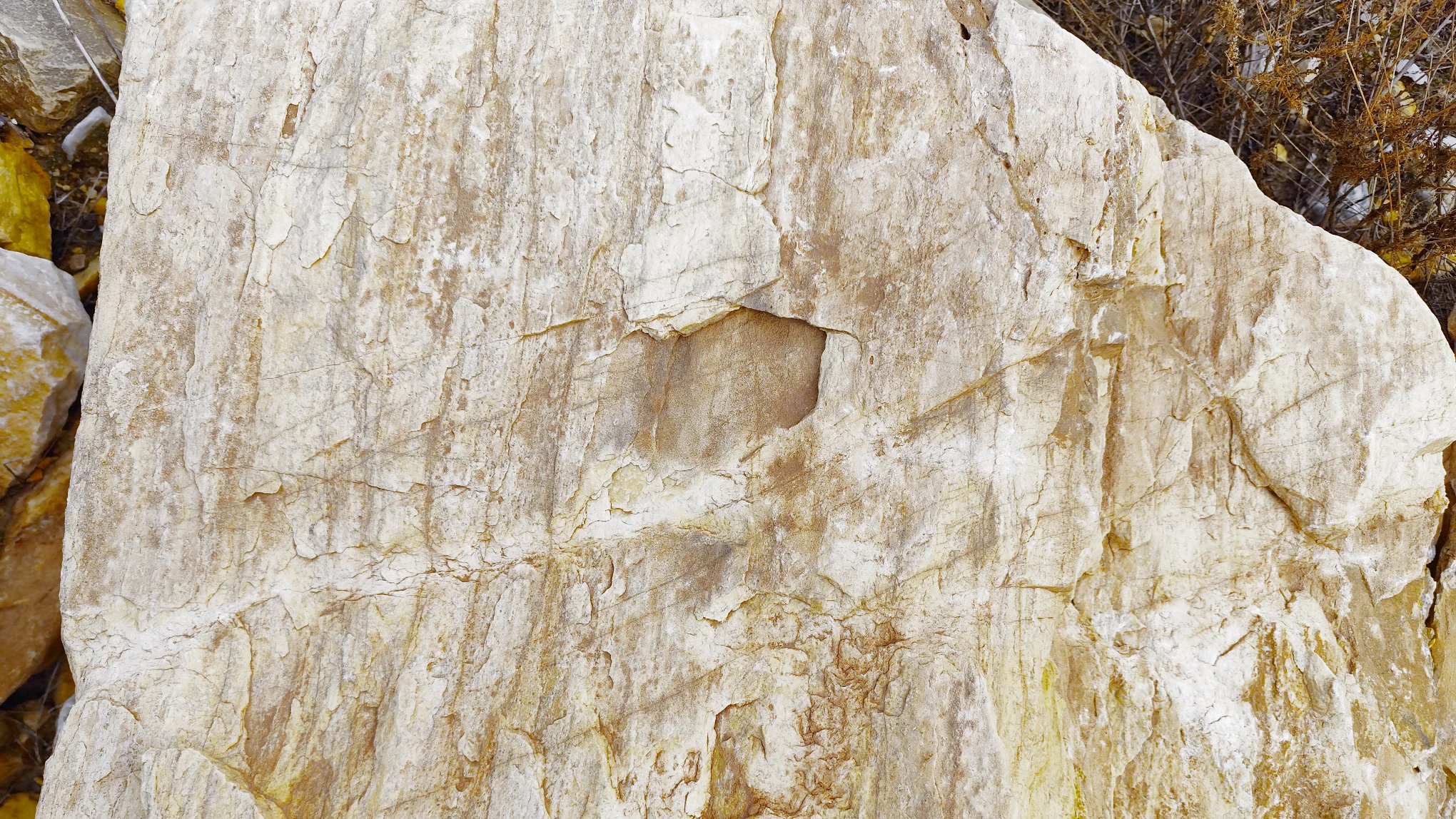
Origin: Natural carbonate rock (CaMg(CO₃)₂)

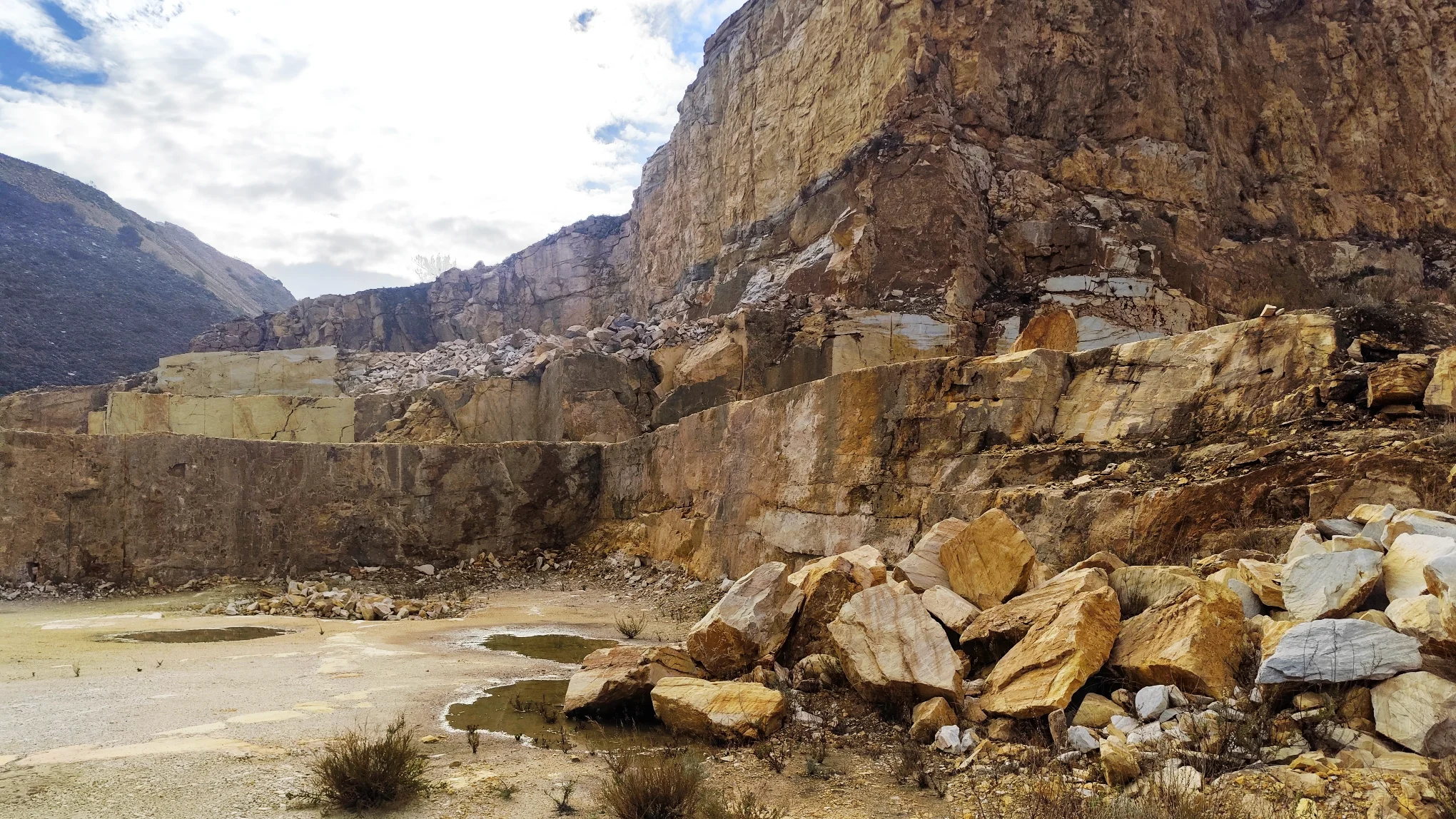
Source: Own quarry in Macael (Almería)

Formats:

  • Micronized powder: 0–200 μm
  • Technical particle size: 0–3 mm
  • Packaging: 20 kg bags / Big Bags / bulk

Color: Beige

Approximate Chemical Composition (% ±)

ComponentFormula%
Calcium oxideCaO33.97
Magnesium oxideMgO20.08
CarbonC12.17
SilicaSiO₂0.18
AluminaAl₂O₃0.04
Iron oxideFe₂O₃0.26
Potassium oxideK₂O0.01
Sodium oxideNa₂O0.03
Phosphorus pentoxideP₂O₅0.10
Titanium oxideTiO₂0.10
SulfurS0.02
Manganese oxideMnO0.03
Loss on ignition (LOI)PF46.16

Agronomic Benefits

  • Natural acidity corrector: raises pH in acidic soils.
  • Balanced source of calcium and magnesium.
  • Improves soil structure, aeration, and microbial activity.
  • Compatible with organic and regenerative farming.
  • High-purity product, free of contaminants.

Technical Properties

  • Excellent thermal and chemical stability.
  • Homogeneous texture and good dispersibility.
  • Low impurity content.
  • Compatible with technical and decorative formulations.

Industrial Applications

SectorSpecific Application
Ceramics / tilesRaw material in white bodies and glazes.
Paints / resinsMatte white filler, improves opacity and texture.
Polymers / rubberThermal and chemical reinforcement.
Technical mortarsLightweight carbonate filler.
CoatingsMineral base for cement-free systems.

Pharmaceutical Applications of Dolomite

1. Source of essential minerals

Dolomite can be processed to obtain calcium and magnesium salts, such as calcium and magnesium citrate. These are used in nutritional supplements to treat mineral deficiencies, especially in populations with low magnesium or calcium intake.

2. Drug formulation

Dolomite has been studied as a raw material for developing solid pharmaceutical forms such as chewable tablets and liquid suspensions containing calcium and magnesium. These formulations may assist in the treatment of conditions like osteoporosis, muscle cramps, and metabolic disorders related to mineral deficiencies.

3. Stability and compatibility

Studies have shown that dolomite-derived compounds exhibit good chemical stability and compatibility with other excipients, making them suitable for pharmaceutical formulations.

4. Aplicaciones potenciales en cosmética y dermatología

While more common in personal care products, dolomite may also be used in mineral powders for topical use due to its absorbent and softening properties.

Get information about our minerals, formats, and processes. We answer your questions about technical and agricultural applications.

Micronized schist is a metamorphic rock rich in phyllosilicates and trace elements. It is used to remineralize soils and as a raw material in ceramics, paints, and polymers, thanks to its stable composition and controlled particle size.

Micronized dolomite supplies calcium and magnesium. It’s used to correct acidic soils, improve structure and aeration, and in organic agriculture, ceramics, paints, and technical coatings.

We offer micronized powder (0–200 μm) and fine particle size (0–3 mm). We deliver in 20 kg bags, 500/1000 kg big bags, or in bulk, according to customer needs.

Our minerals undergo analytical controls and fine grinding in our own facilities. We guarantee purity, low impurity content, and stable thermal and chemical properties, meeting the highest industry standards.

At Canteras de la Umbría, we transform the geological wealth of Andalusia into innovative technical and agricultural solutions. Our company specializes in the extraction, processing, and micronization of shale and dolomite.

Schist is a rock rich in phyllosilicates and trace elements, known for its high functional value in both industrial sectors and sustainable agriculture. Likewise, dolomite has applications in organic farming, the ceramics industry, paints, polymers, and sustainable coatings.

We operate our own authorized resources located in Macael (Almería), equipped with fine grinding facilities and analytical controls that allow us to deliver materials with uniform particle size, low impurity content, and stable thermal and chemical properties.

Purity and functionality
Our minerals stand out for their stable composition, controlled particle size, and high content of functional elements such as calcium, magnesium, silicon, and phyllosilicates. This enables us to provide solutions tailored to the needs of the most innovative industries.

Commitment to the environment
From our quarries in Macael, we work under principles of sustainability, environmental restoration, and full traceability.

Technical micronized shale and dolomite

For industrial applications in ceramics, paints, polymers, technical mortars, and construction materials, valued for their laminar structure, thermal resistance, and high chemical compatibility.

Schist and dolomite as rock flour and/or agricultural remineralizers

Used as slow-release mineral fertilizers, suitable for depleted soils, organic crops, and regenerative systems, thanks to their contributions of calcium, carbon, silicon, potassium, magnesium, and secondary minerals.

From our facilities, we manage both national and international orders, working alongside laboratories, agricultural cooperatives, engineering firms, and processing industries.

Contacto